
Vehicles and container
Dimensions, weight, clearance and vehicle condition determine container choice and loading arrangements. To determine how many cars will fit, we need the dimensions of each vehicle and a loading plan.
The mode of transport changes; the car stays in the same container. We arrange container delivery, transfers between transport modes and transport to the unloading point.
Request a shipping quote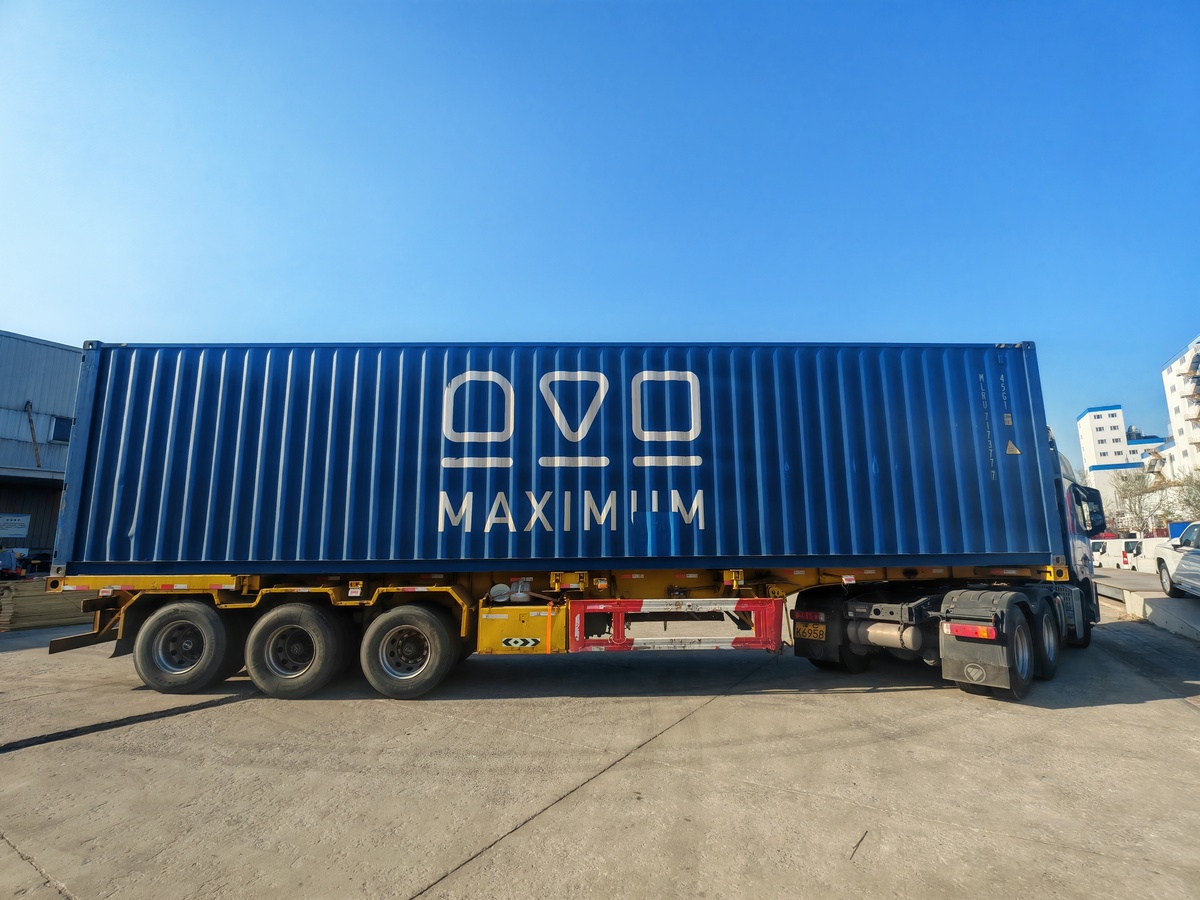
The cars do not need to be unloaded and reloaded when the mode of transport changes: the container is transferred as a whole. This is intermodal transport, using several modes while retaining one loading unit. We select compatible equipment, terminals and a suitable final unloading location.
An example journey in the same container. We check the available connections and whether the container can reach the final address before agreeing the route.
Dimensions, weight, clearance and vehicle condition determine container choice and loading arrangements. To determine how many cars will fit, we need the dimensions of each vehicle and a loading plan.
We check container acceptance, lifting equipment and available services between terminals. A rail connection alone does not confirm that a suitable service exists.
The site needs truck access, working space and an appropriate ramp or other unloading equipment. If unloading is only possible at a warehouse, onward vehicle delivery is agreed separately.
We select a suitable container and plan how the vehicles will be loaded and secured. Vehicle condition and loading are recorded, along with the container and seal numbers.
We schedule delivery to meet the terminal’s receiving times and document deadlines. We check the weight of the loaded container and restrictions on the road leg.
The terminal transfers the whole container without unloading the cars. We check the container number and documents, confirm the next departure and allow for waiting time.
Release, removal of securing materials and vehicle unloading are arranged. Where required, the empty container’s return location and deadline are confirmed in advance.
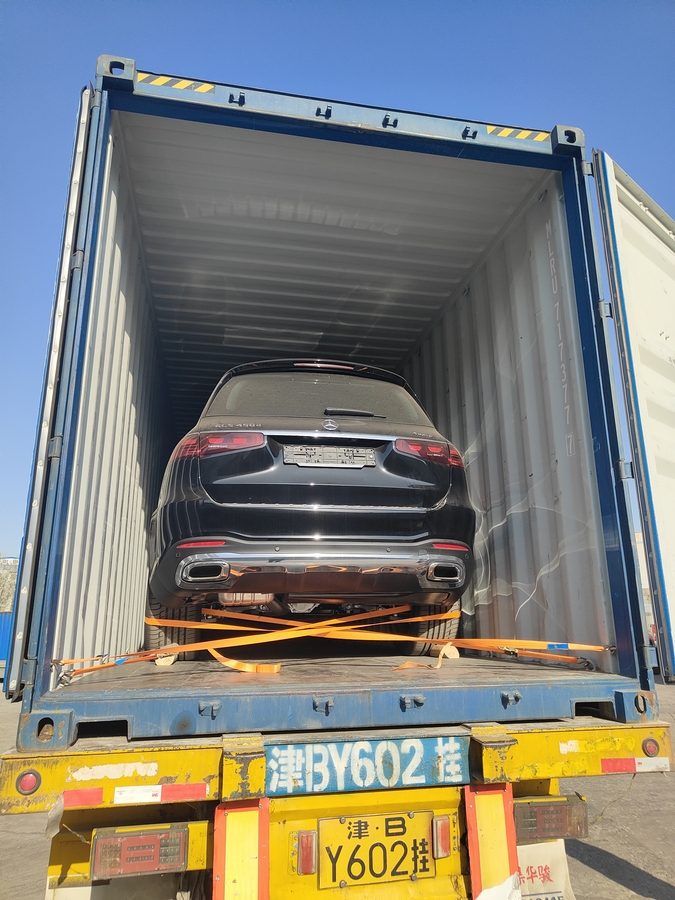
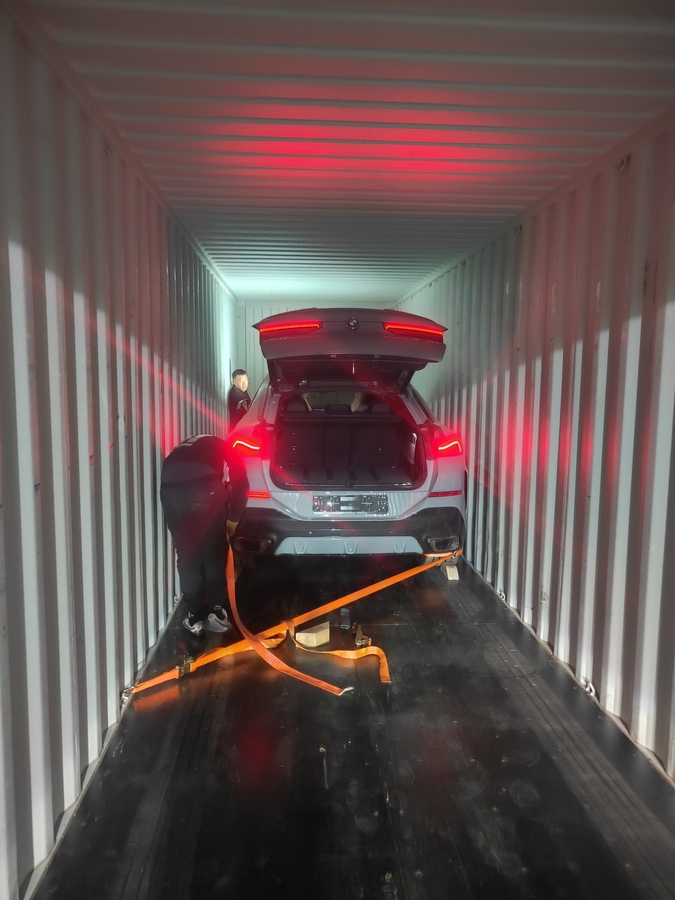
We include container positioning, rail or sea carriage, terminal transfers and delivery to the unloading point. We compare quotes covering the same services.
We clarify the costs of loading, securing, unloading, equipment use and returning the empty container. Storage and charges for exceeding agreed time allowances may be additional.
The estimate includes terminal waiting time as well as train or vessel transit. A missed departure, inspection or delayed release can affect subsequent legs.
Examples of completed intermodal shipments in one container. The stated timings apply to individual orders; we quote each new shipment against its route and available connections.
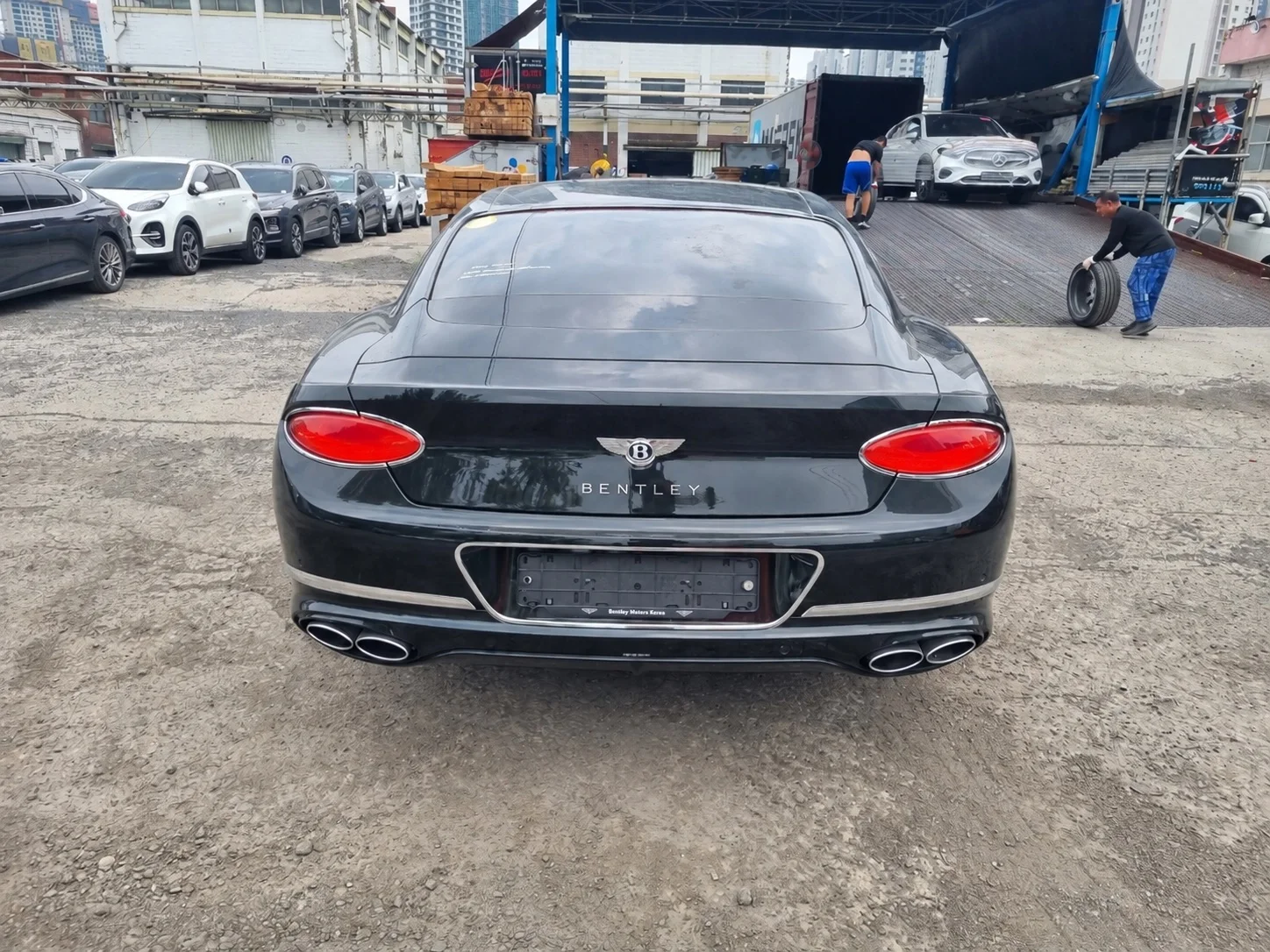
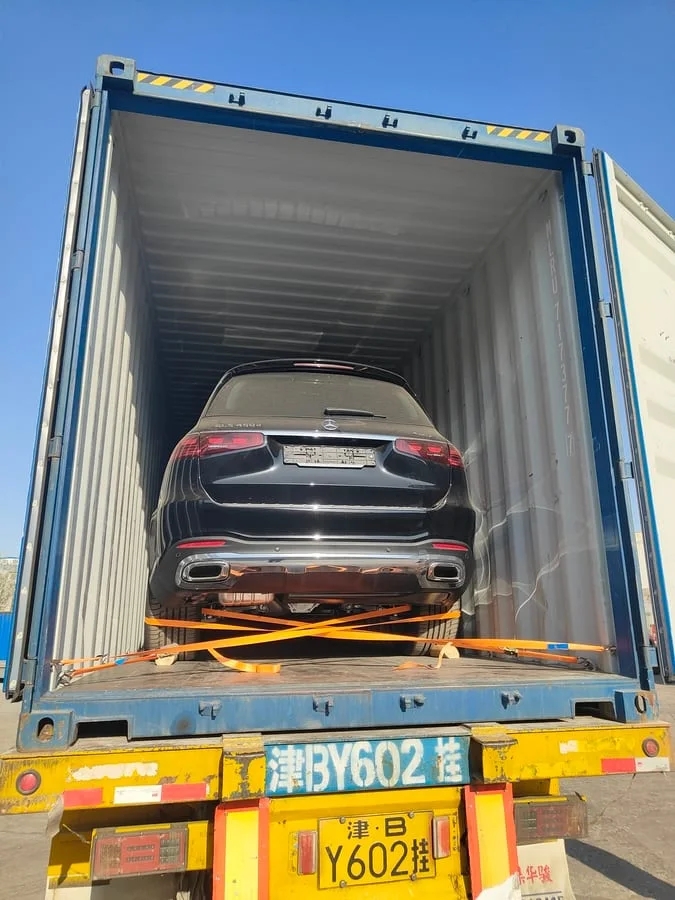
Container shipping describes how cargo is carried. Intermodal shipping describes the movement of one loading unit across more than one transport mode. Not every container shipment is intermodal.
Cars are not unloaded during routine mode changes. The container may still be opened for an inspection. Shipping in the same container does not rule out inspections along the route.
This depends on the address, access, unloading equipment and container-use conditions. If the cars are unloaded at an intermediate warehouse, onward transport by car carrier is a separate part of the wider multimodal journey.
No. Fewer separate vehicle loading operations do not remove securing requirements, terminal costs or route constraints. Cost and risk must be assessed for the actual shipment.
The number of contracts does not define the term. The key features are multiple modes and the same loading unit. The services we coordinate and the responsibilities of each party are agreed separately.
If the car leaves the container for onward road delivery, or the route combines RoRo with road transport, the complete journey is best considered multimodal.
Updated: 11 September 2026
Vehicle collection, documents and route options. Each shipment is confirmed individually.