A dedicated container (FCL)
The container is reserved exclusively for your shipment. It does not have to be full: you can send one car or several vehicles using an agreed loading plan.
A dedicated container (FCL) for one car or a batch of vehicles. We arrange collection, loading, export formalities and transport by sea or rail. Delivery to your address can be included by agreement.
Get a container shipping quoteVehicles travel inside an enclosed freight container. This can suit dealership shipments, high-value cars and vehicles that cannot be shipped by RoRo. We plan the full route, including loading and the equipment needed for unloading at the destination.
A container can carry up to four cars, depending on its size, the vehicle models and the loading system. Large SUVs and compact cars need different loading arrangements. We confirm how many vehicles will fit after reviewing the full vehicle list.
Length is only the starting point. We also check vehicle width including mirrors, ground clearance and the space needed for loading and securing. We measure both the interior and the smaller door opening.
A 40-foot High Cube provides more headroom, not extra length. Whether it can accommodate a raised loading platform depends on vehicle heights, the loading system and clearance between cars.
We check each vehicle position, total weight, securing points and unloading sequence. The unloading site must have the equipment needed to remove the restraints and unload the vehicles.
| Container | Inside L × W × H, m | Door W × H, m |
|---|---|---|
| 20′ Standard · Hapag-Lloyd | 5.900 × 2.352 × 2.395 | 2.340 × 2.292 |
| 40′ Standard · Hapag-Lloyd | 12.032 × 2.352 × 2.395 | 2.340 × 2.292 |
| 40′ High Cube · Hapag-Lloyd | 12.032 × 2.350 × 2.700 | 2.340 × 2.597 |
Example dimensions from the Hapag-Lloyd fleet. Actual units vary by manufacturer. We check the assigned container and loading clearances before confirming the plan.
We inspect the floor, walls, doors and securing points. Before loading, we record the condition of each vehicle, including leaks, loose parts or damage that could affect transport.
We select a ramp suited to the ground clearance and front and rear overhangs, allowing room to position and secure the vehicle. Fitting through the doors alone does not mean a car can be loaded safely.
We select restraints, wheel blocks and any loading frame to suit the vehicles and route. We check the securing points and the clearances between vehicles and container walls.
We agree which loading photographs are needed and check the vehicle list and container number against the shipping documents. We record the seal number in the documents and check it when the container is released.
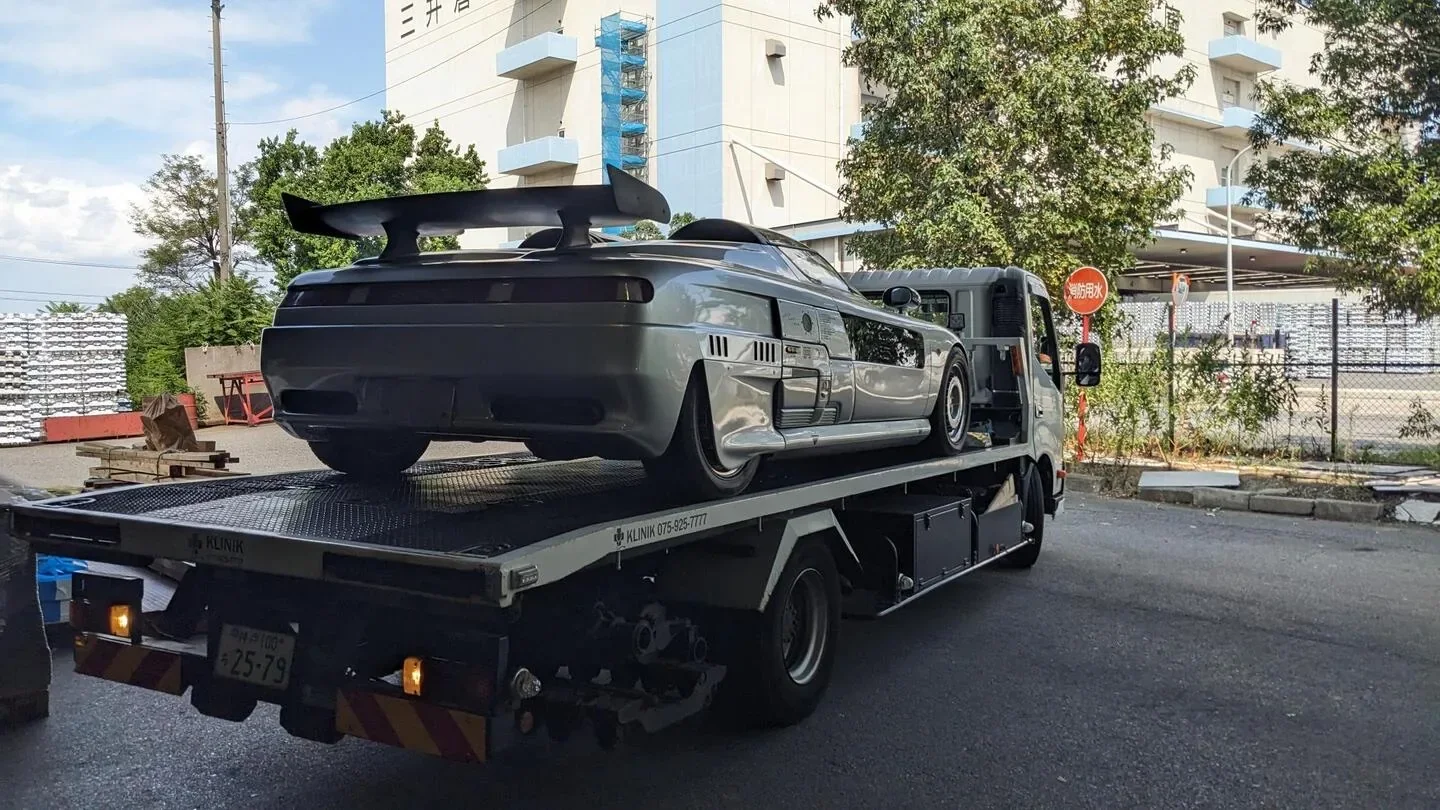
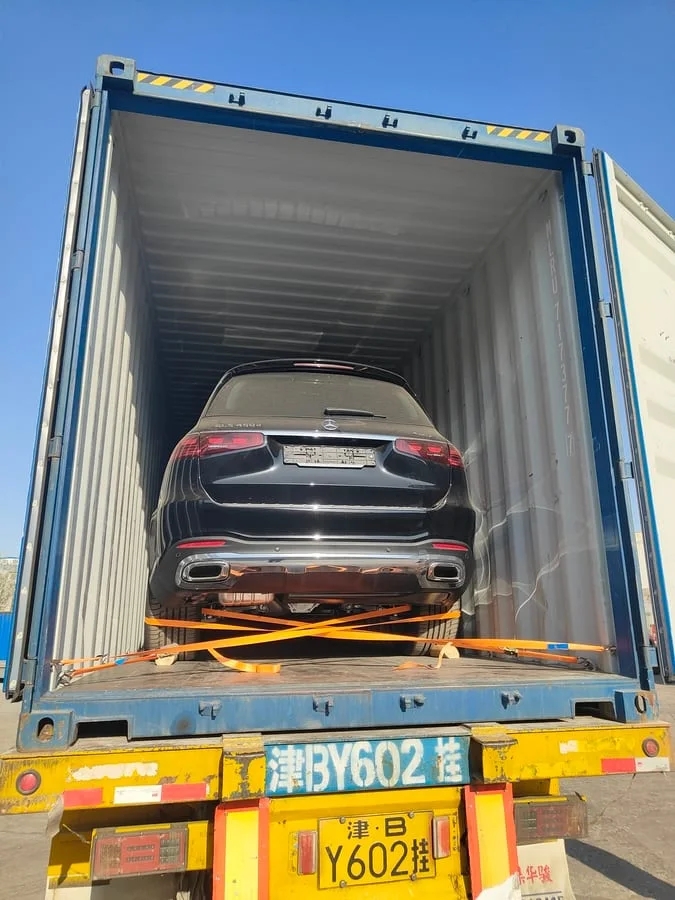
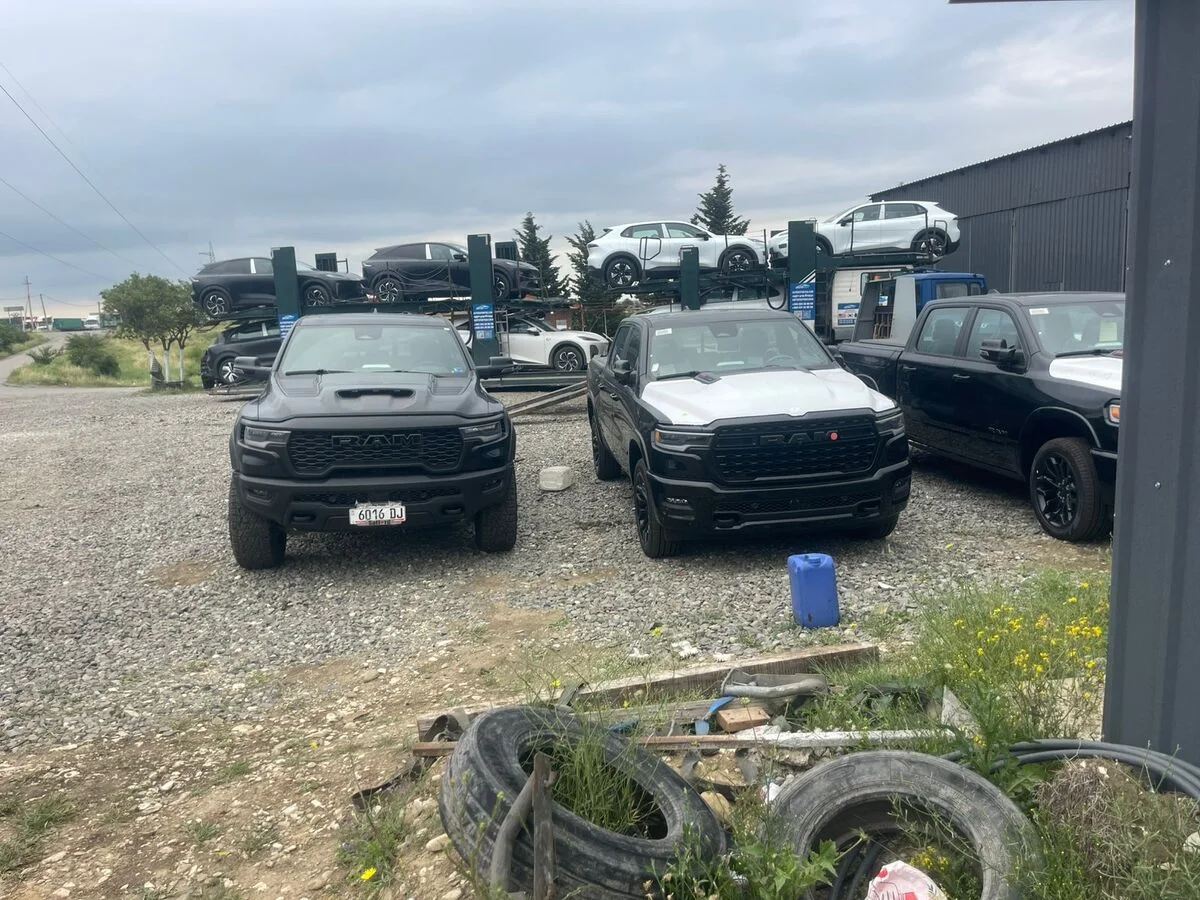
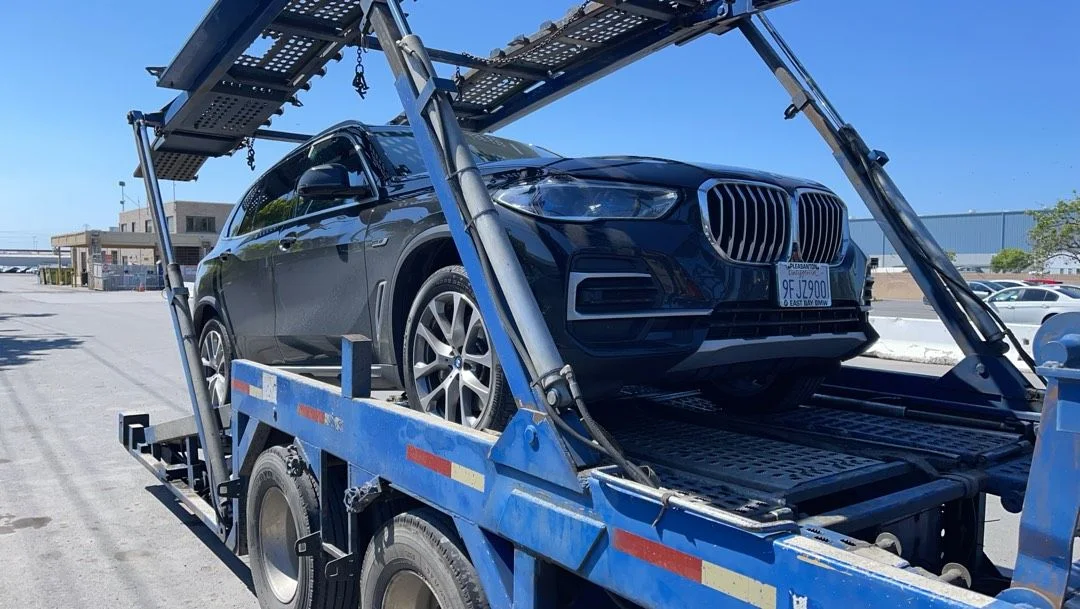
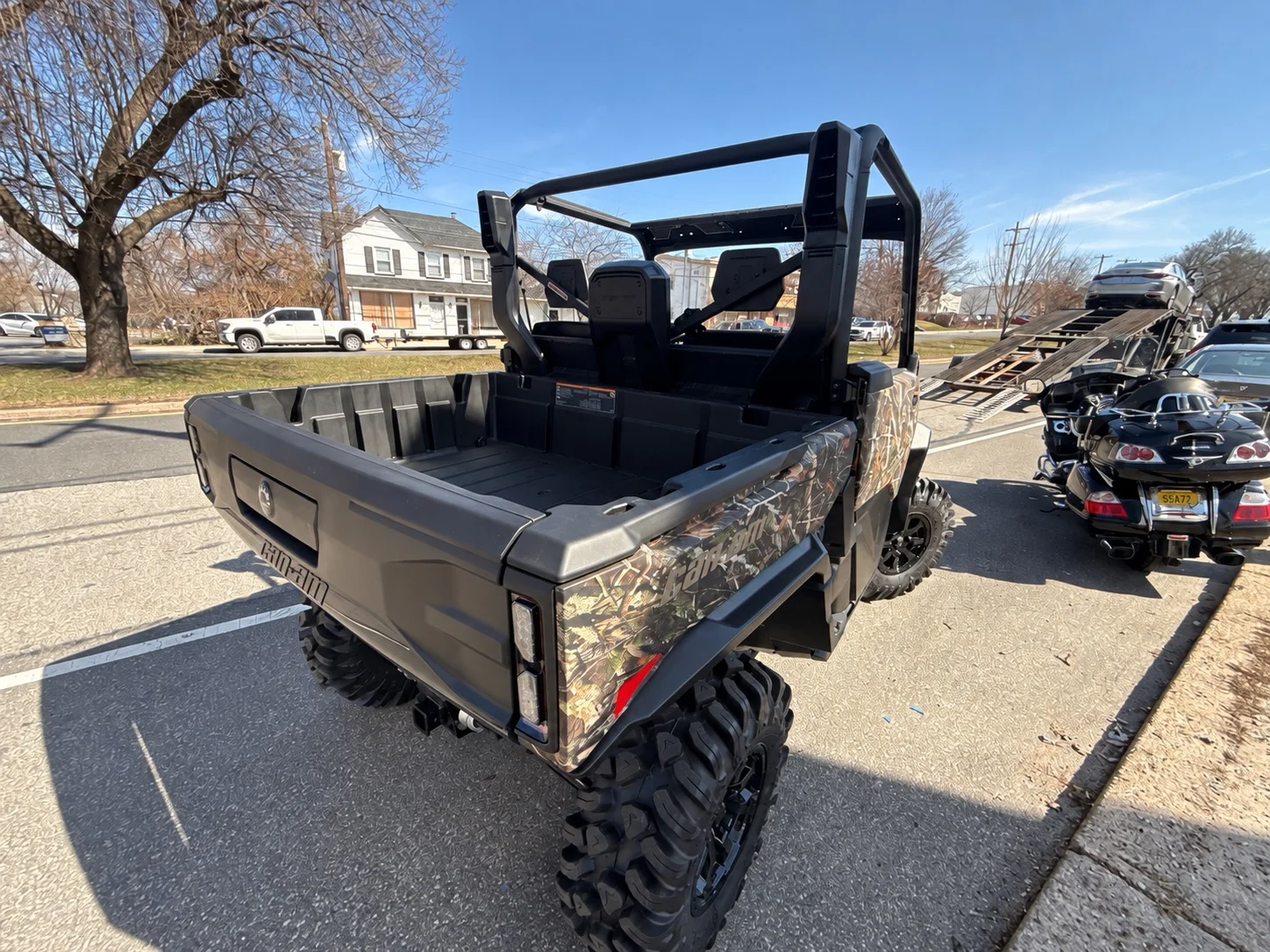
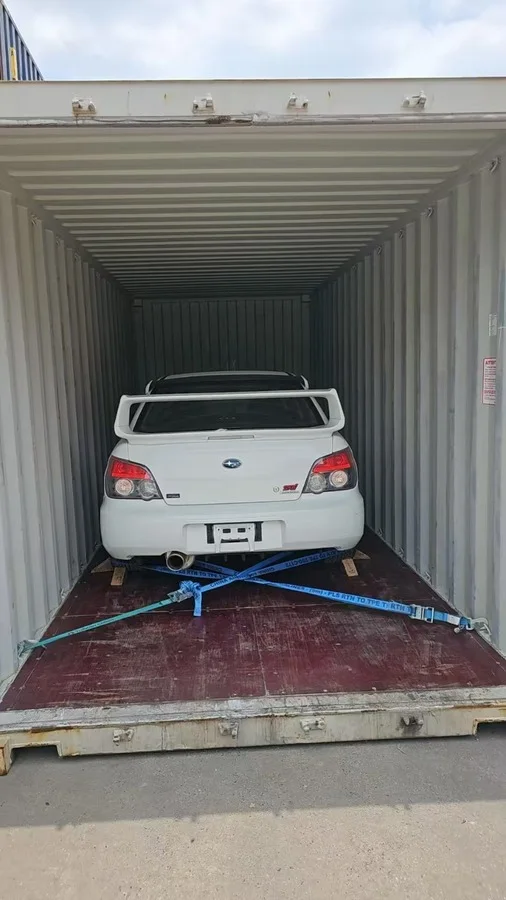
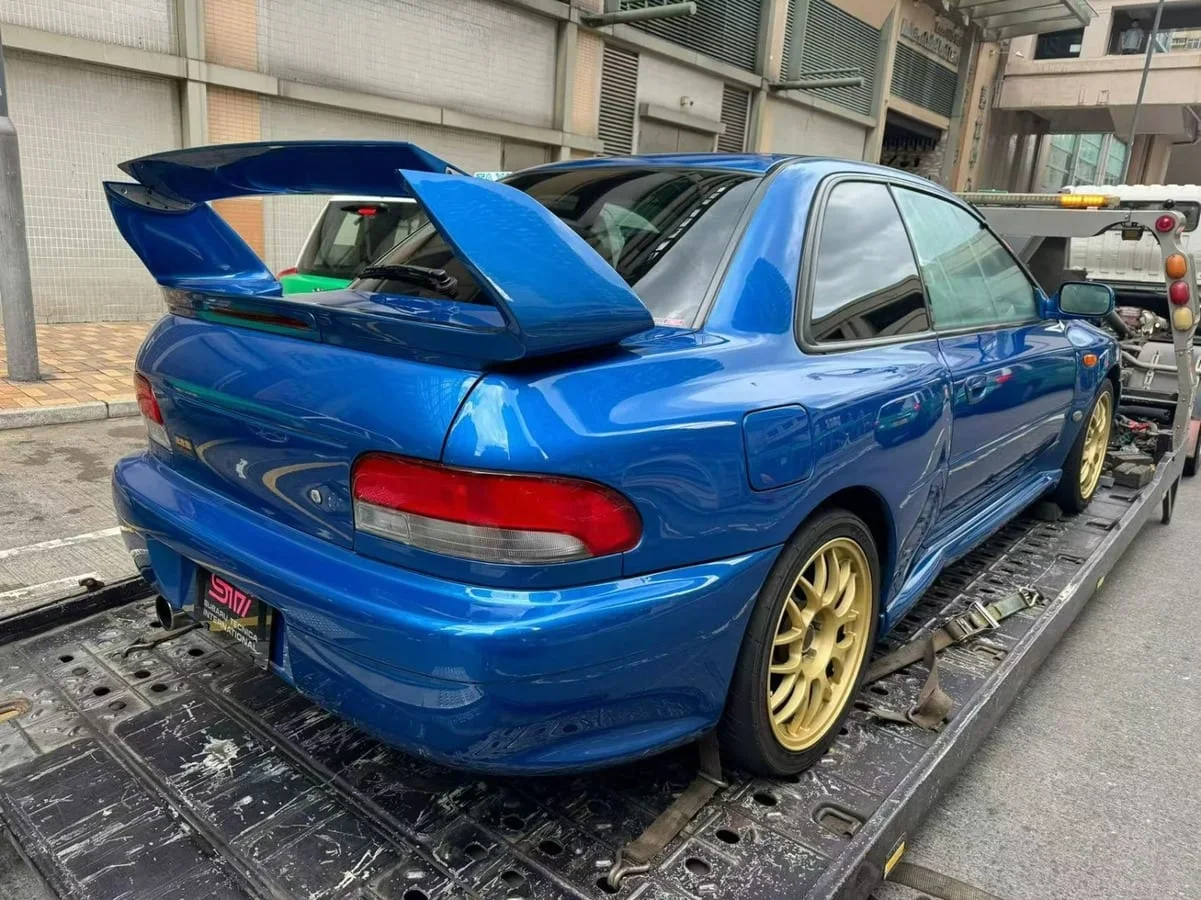
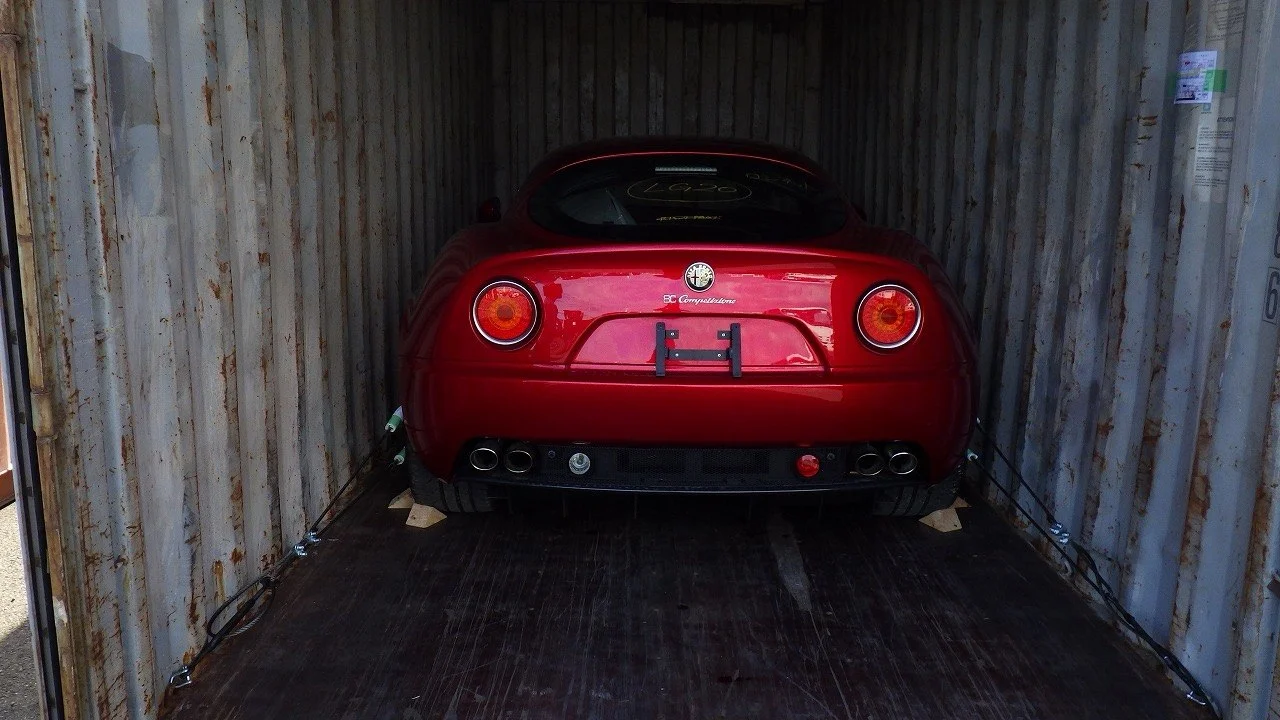
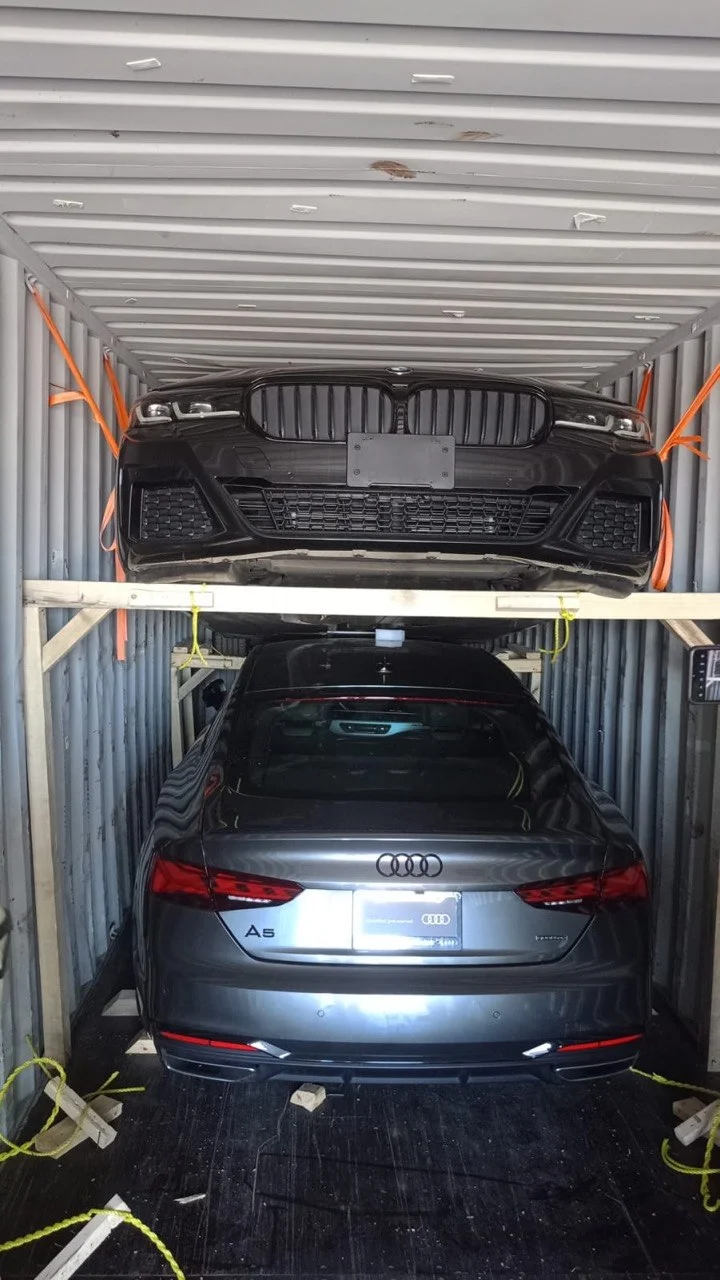
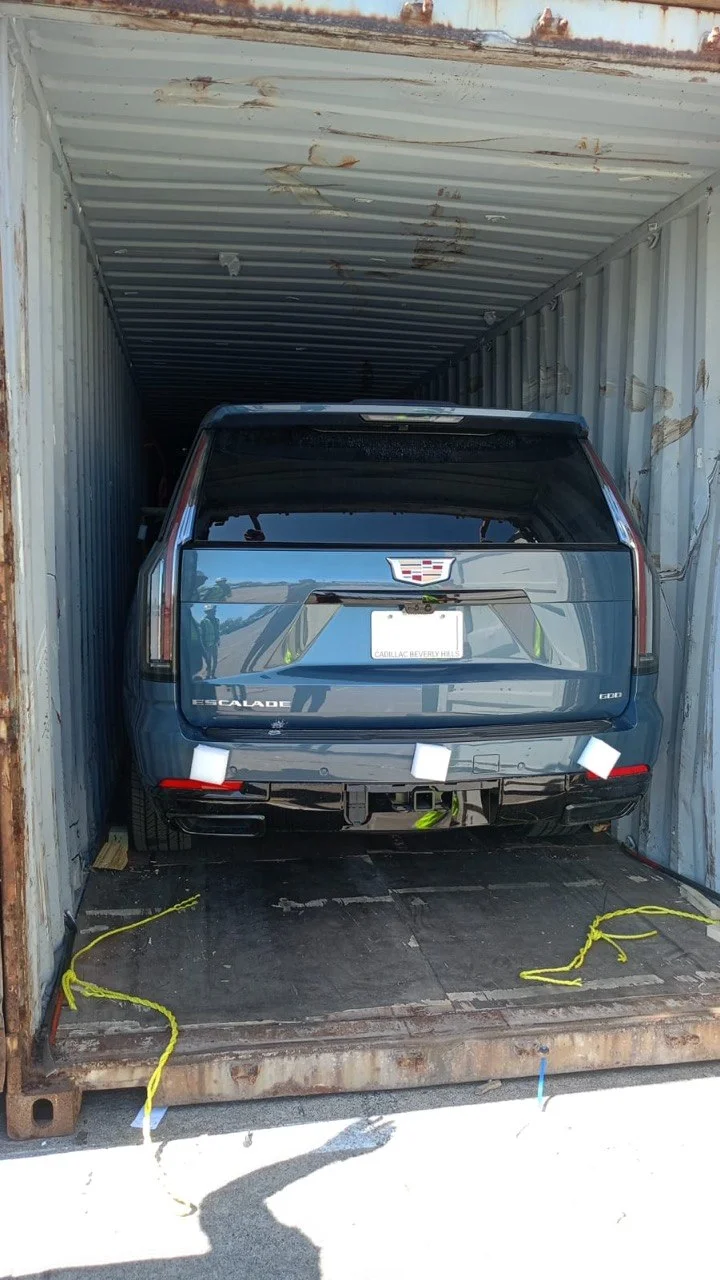
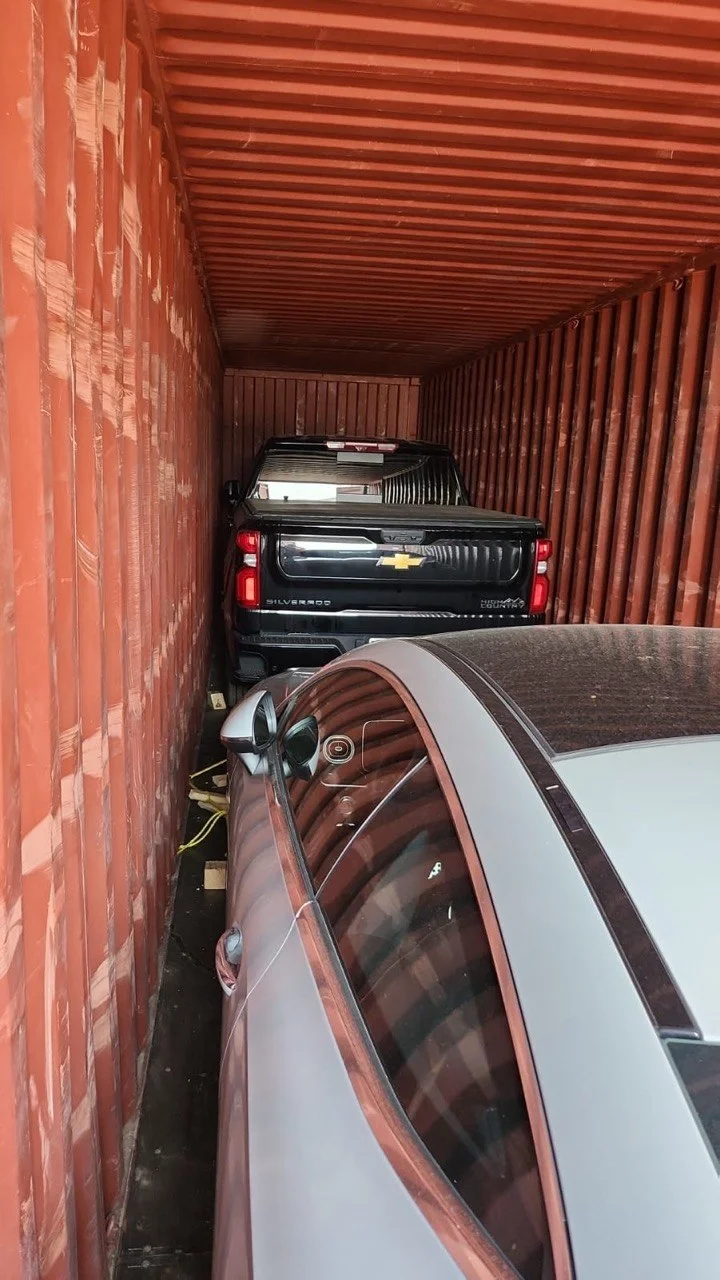
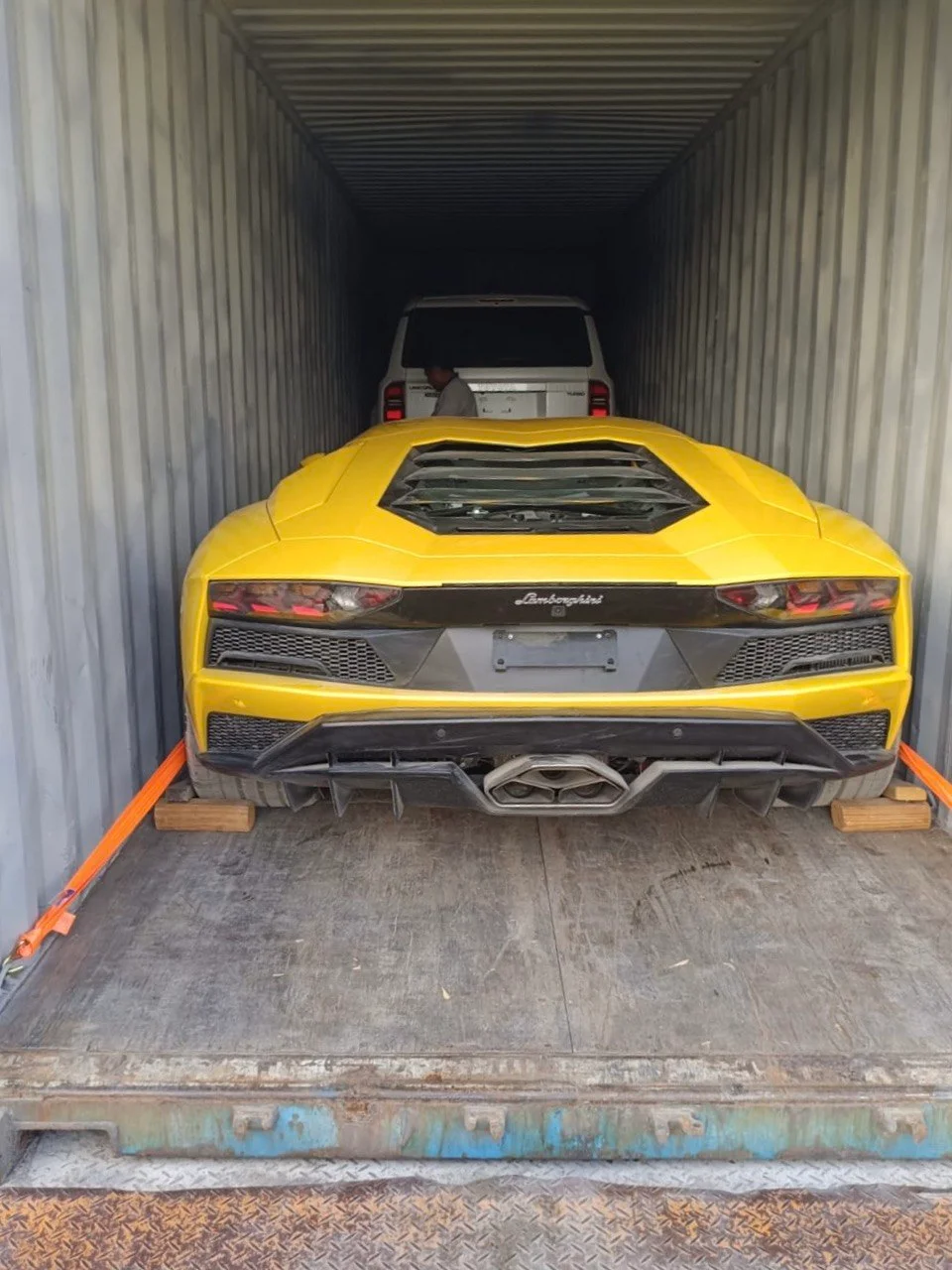
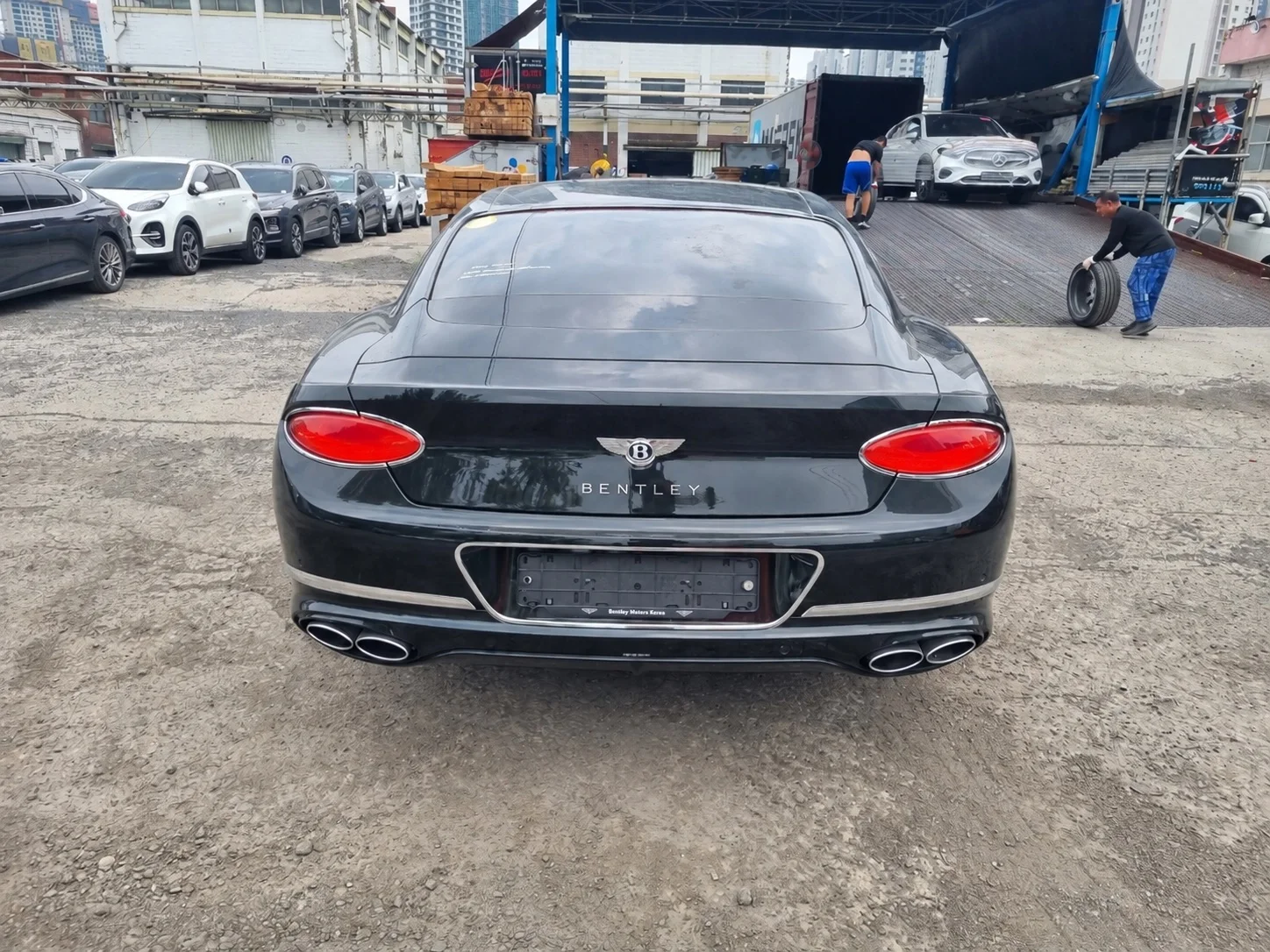
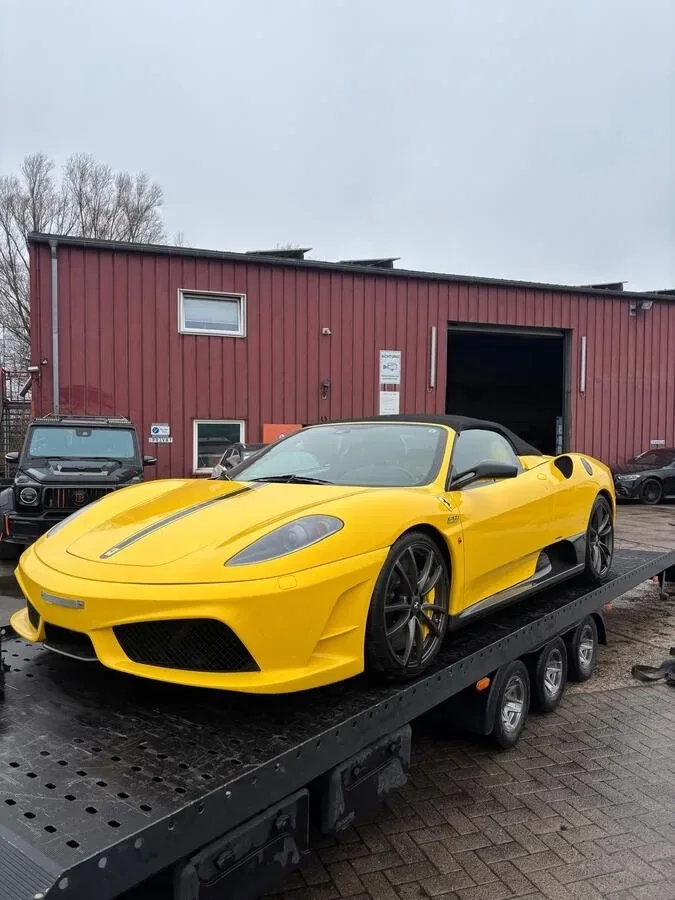
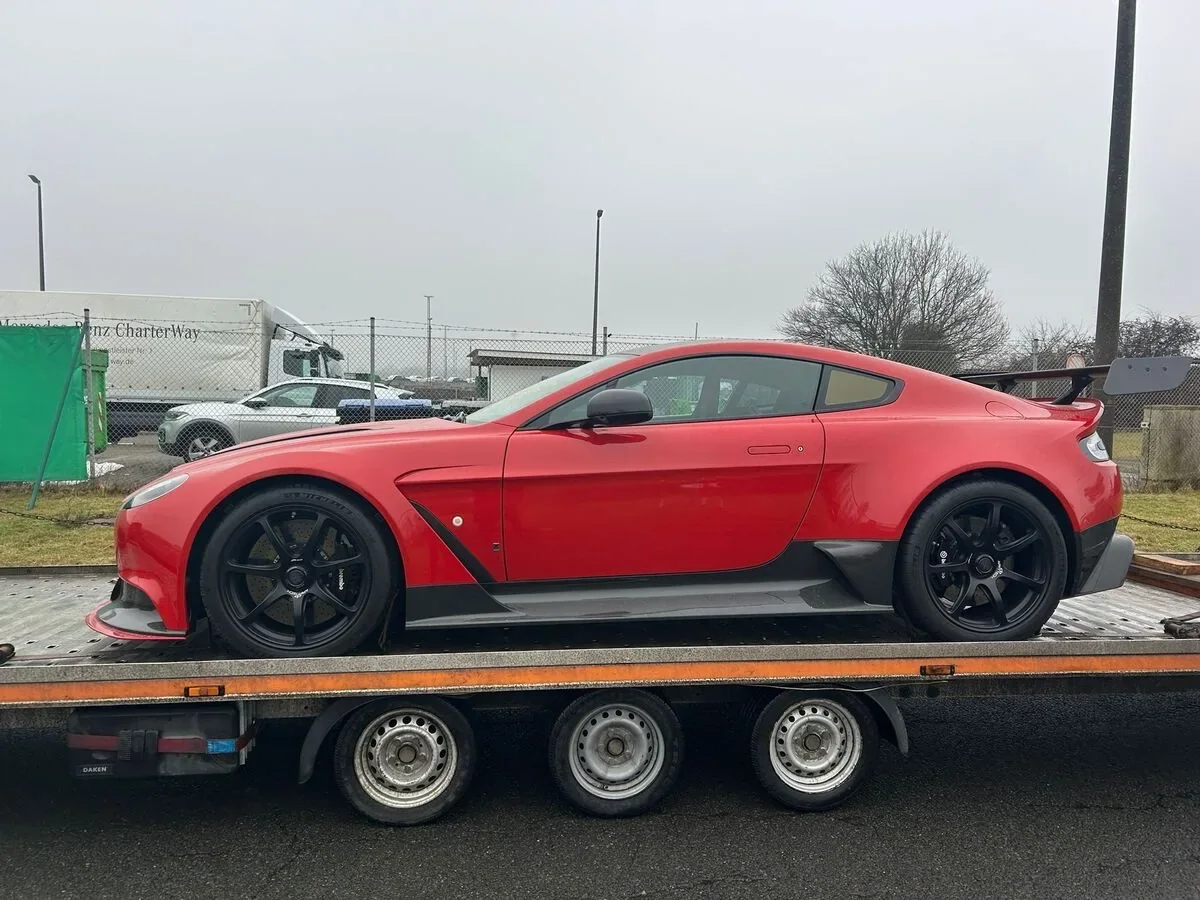
These photographs show single-car and multi-vehicle shipments, including cars loaded on two levels. Vehicle positioning and securing are planned individually for each shipment.
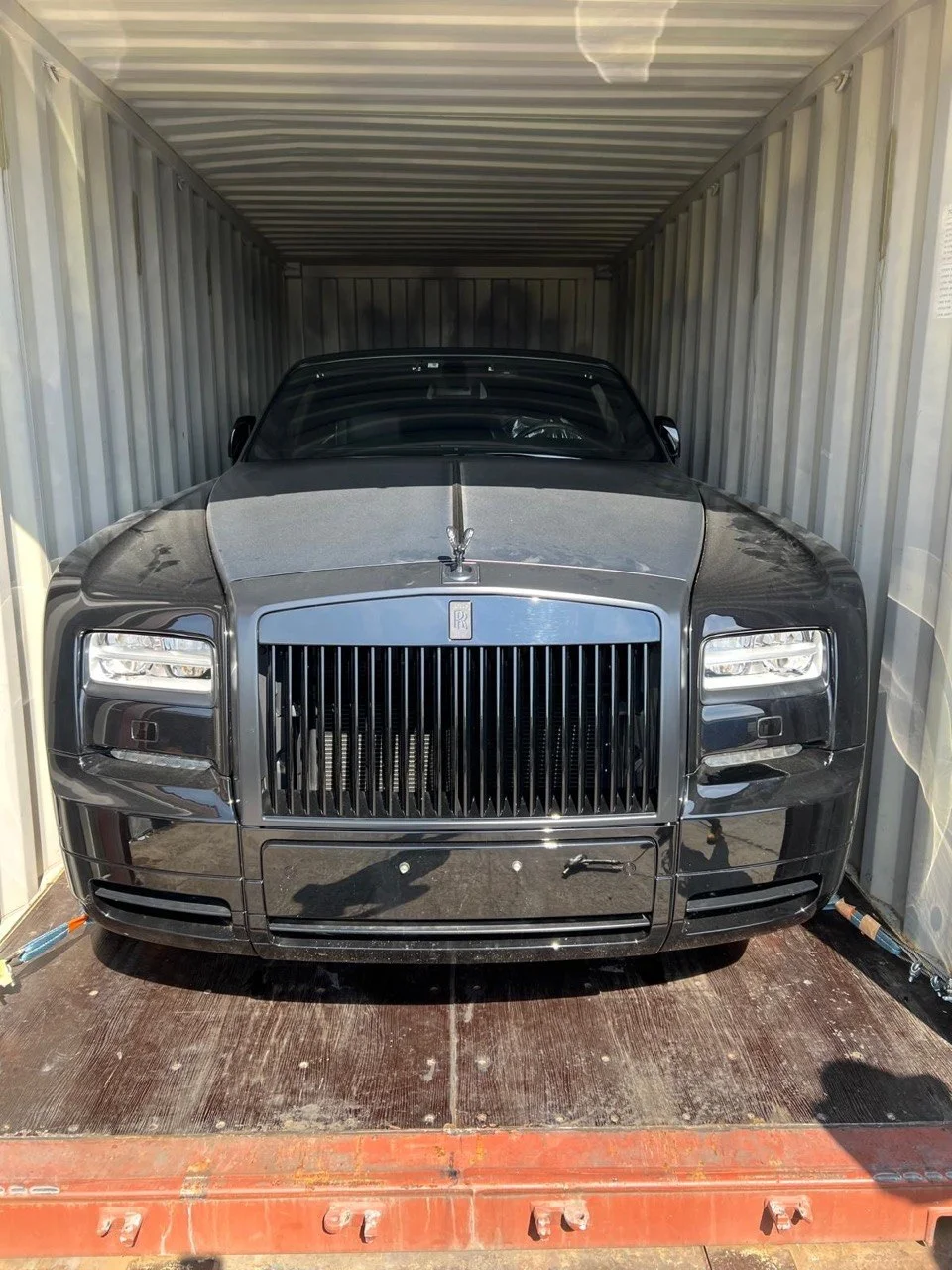
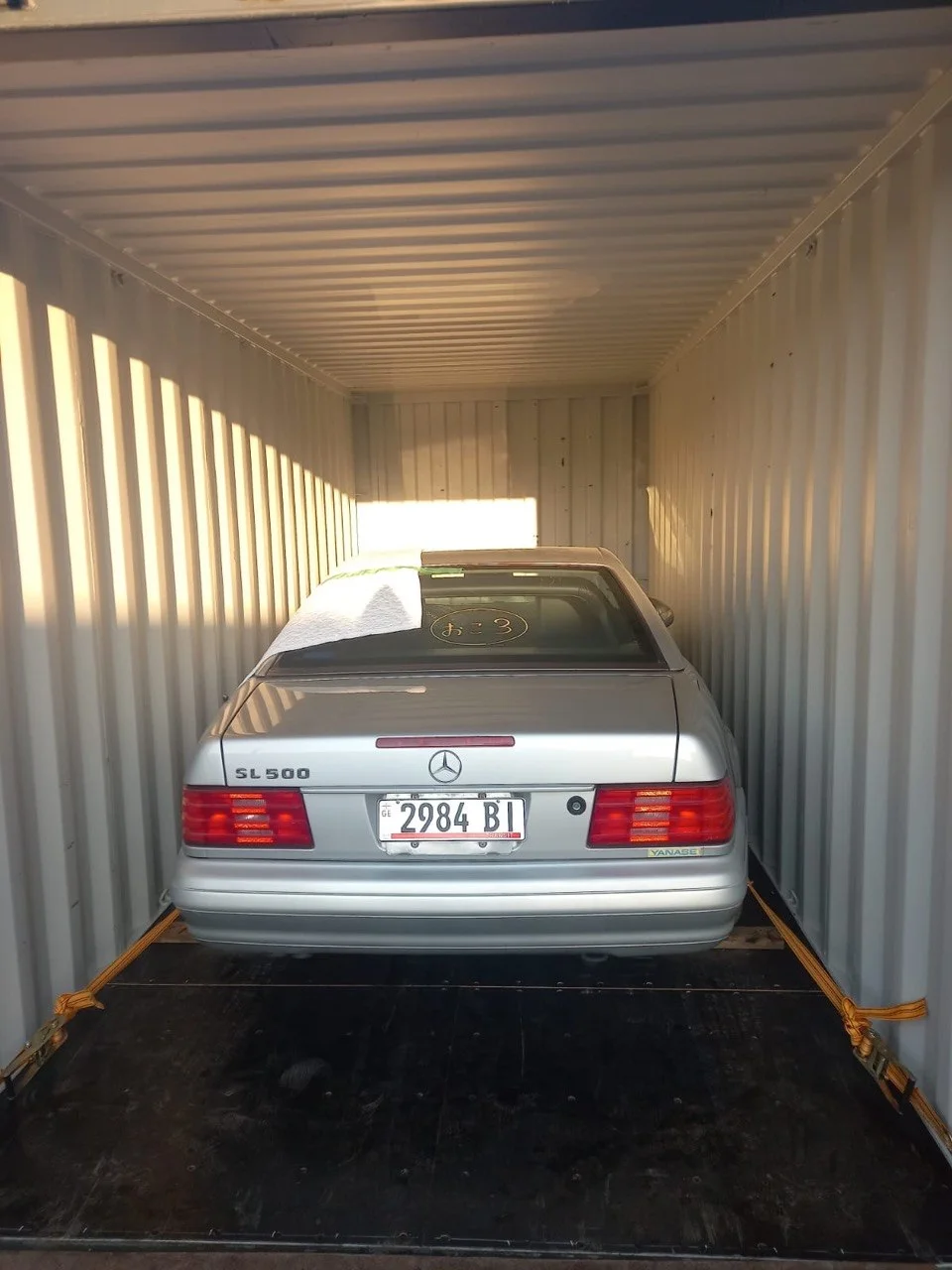
Send ground clearance measurements, front and rear photos and details of any lift system. We assess the ramp, securing method and clearance around bodywork and accessories.
Provide actual dimensions and weight, including modifications. Roof equipment, wide mirrors and a long wheelbase can change the container choice or reduce the number of vehicles in a load.
Tell us whether the vehicle can roll and whether its steering and brakes work. Send photographs and let us know about any leaks or loose parts. We confirm the equipment needed for loading and unloading before accepting the shipment.
We check battery type and condition, transport instructions and carrier acceptance. Battery requirements also apply to container shipping. Damaged batteries require a separate assessment and may prevent shipment.
Ocean freight is only one part of the cost. Compare quotes for the same collection and delivery points, container size and services at both ends.
Transport to the loading site, container positioning, inspections, loading equipment and securing materials. Non-running vehicles or a raised loading system can require extra work.
The freight rate depends on the route, departure date, container type and carrier surcharges. The quote should state how long the price is valid and which terms need confirmation when booking.
Terminal and agent charges, customs formalities, unloading, removal of loading frames and onward delivery. Duties and taxes must be identified separately; do not assume they are included in freight.
Check the free time allowed for terminal storage and container use, and the charges after it expires. The quote should explain how inspection and delay charges are handled, with insurance and optional services listed separately.
Before arrival, we check recipient details, document readiness, payment status and customs requirements. A vessel arrival notice does not mean the container is ready for collection.
We arrange a site equipped to remove the restraints and unload the vehicles. The vehicles are inspected during unloading, any discrepancies are recorded in the handover documents and the coordinator is notified promptly.
We agree whether a car transporter is needed for delivery from the warehouse to the recipient, and who will return the empty container. We check the return deadline and which restraints and loading materials must be removed.
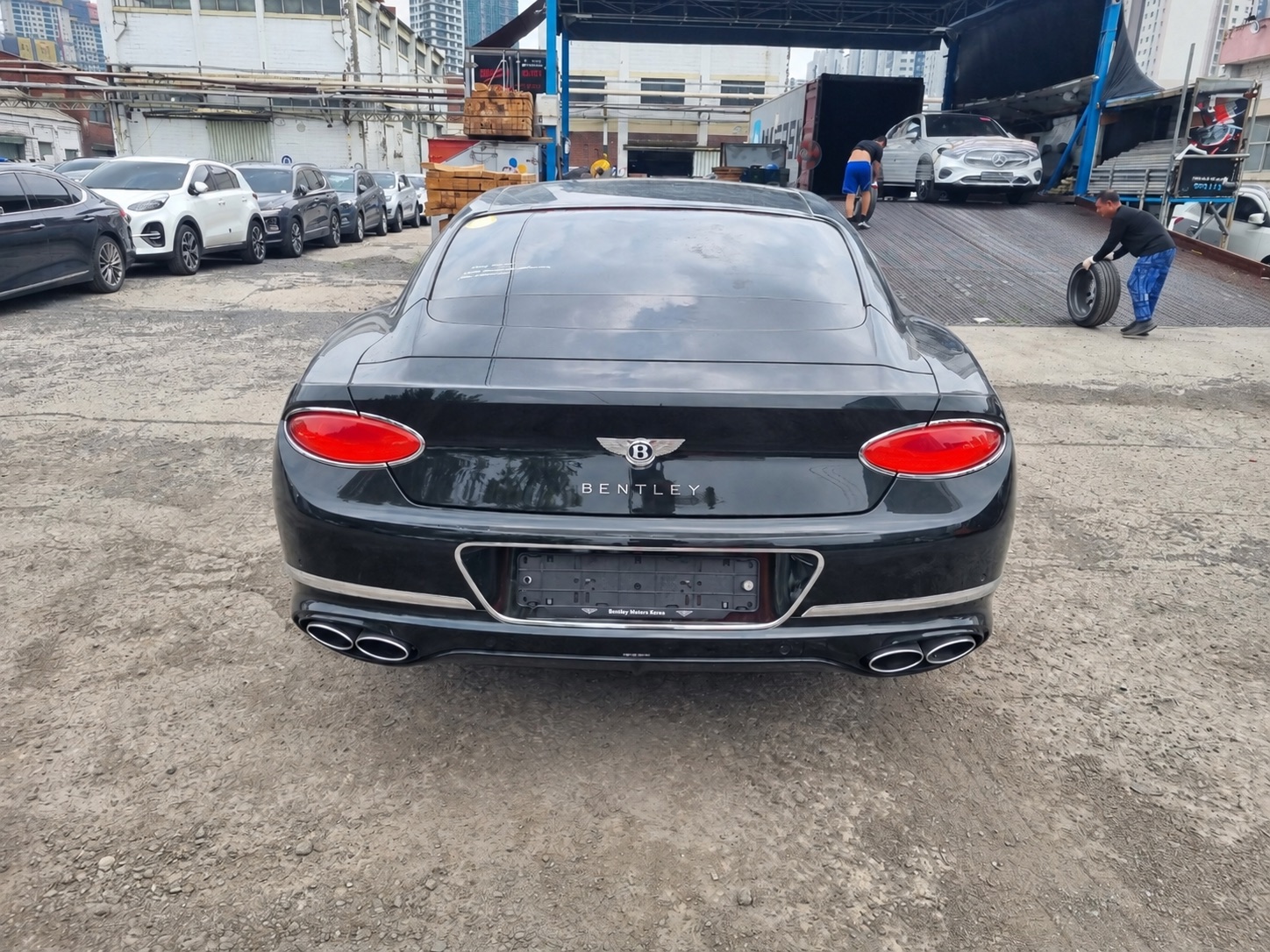
Intermodal container shipping
Mercedes-Benz GLC + BMW M240 + Bentley Continental GT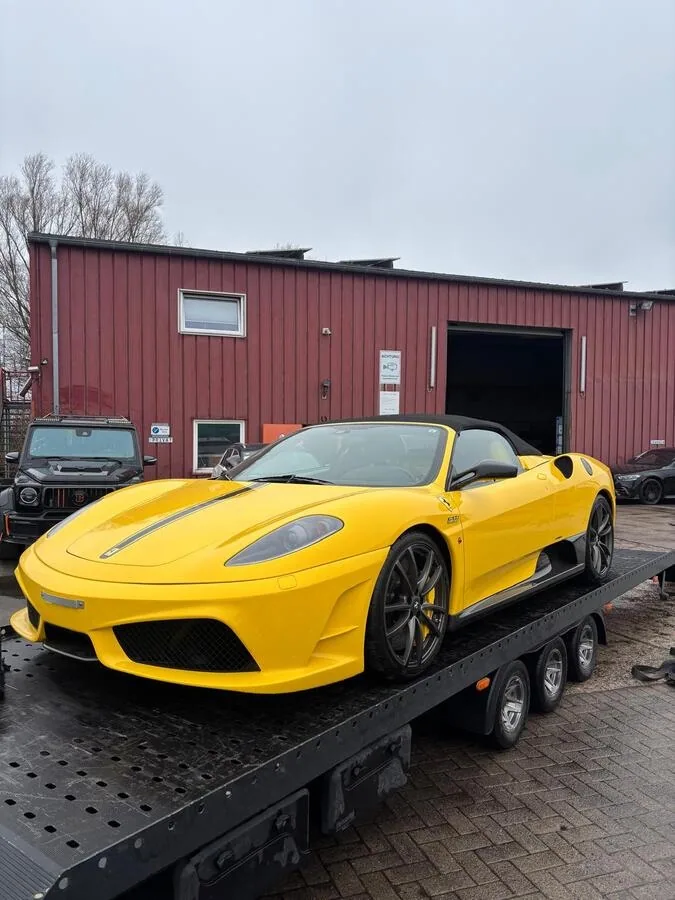
Door-to-door container shipping
Ferrari F12 TDF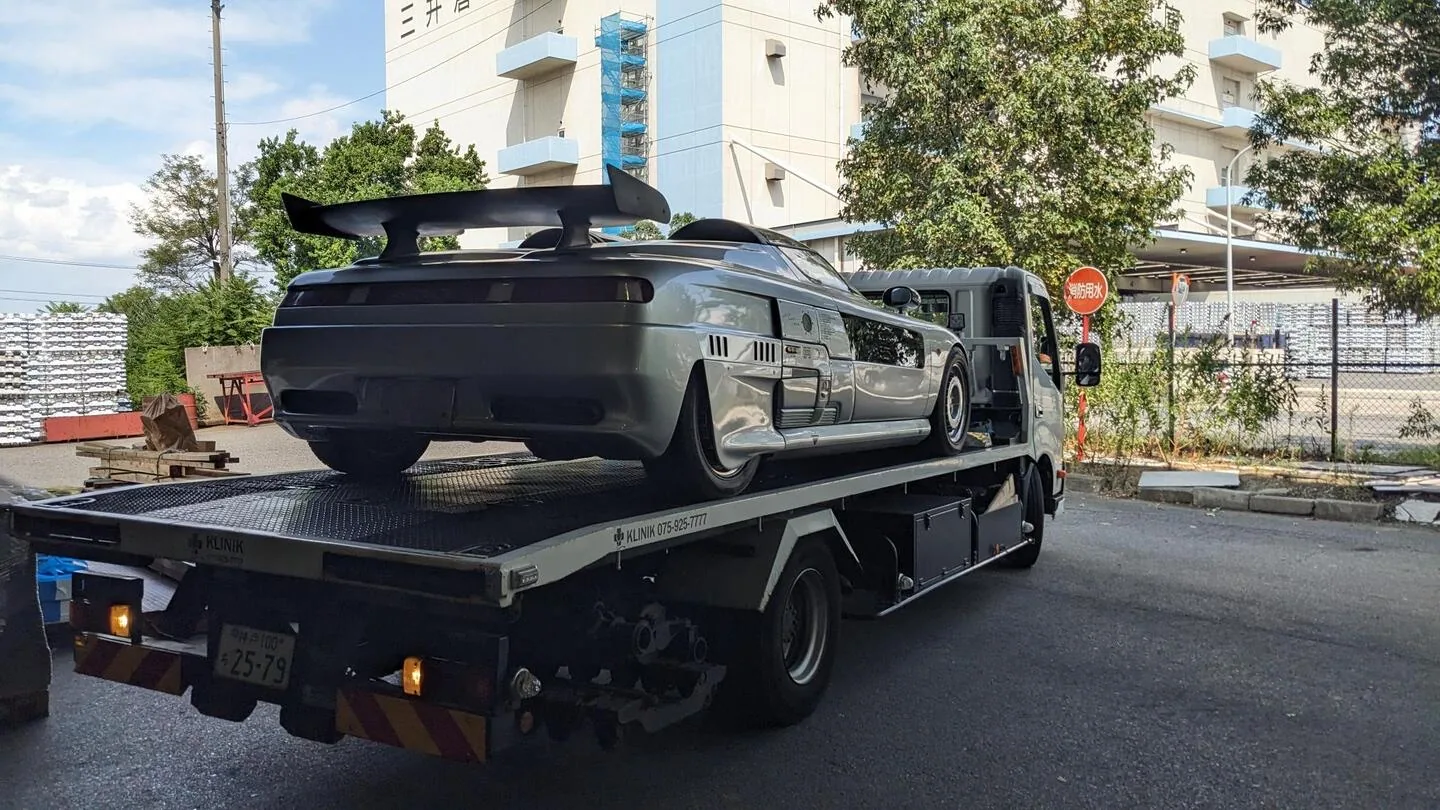
Sea container shipping
Aztec, 1994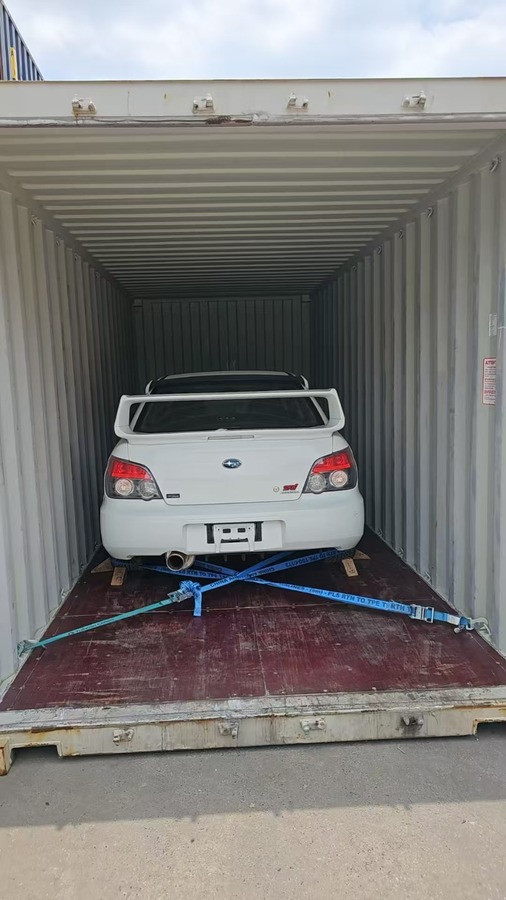
Door-to-door container shipping
Subaru Impreza WRX STI Spec-C Type RA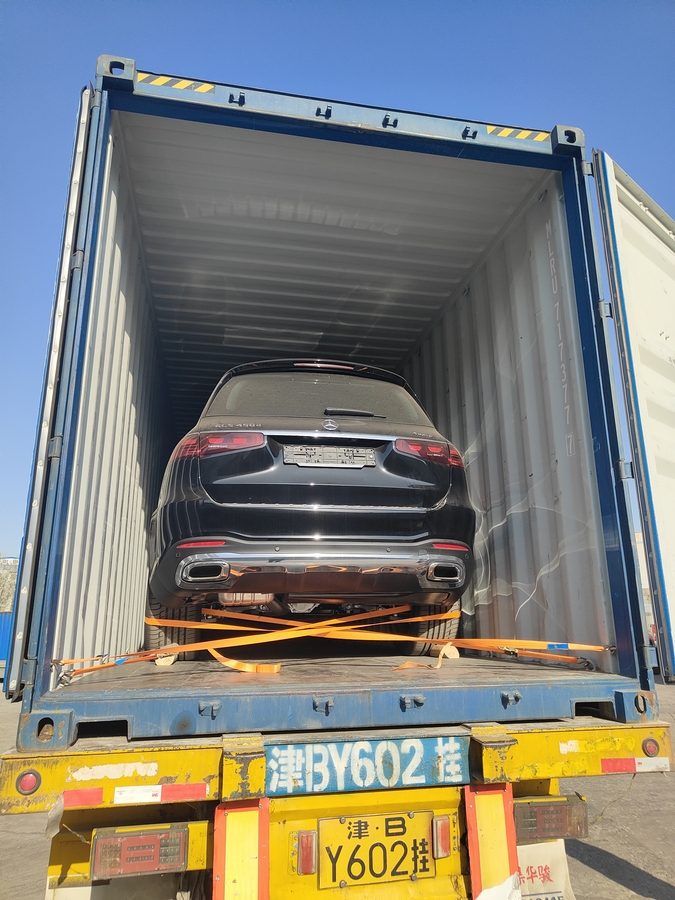
Container + rail
Mercedes-Benz GLS + BMW X6, 2025These are actual delivery times, not guaranteed schedules. Port-to-port, rail terminal-to-terminal and door-to-door times cover different stages. For each new shipment, we estimate collection, loading, sea or rail transport and final delivery separately.
Carrier liability and cargo insurance are different. Insurance is arranged on request, subject to the policy and route. Before dispatch, confirm the insured value, exclusions, excess and which transport and handling stages are covered. Tracking availability also depends on the service.
Yes. FCL means the container is dedicated to your shipment, not that it must be full. We select the container and loading plan for the vehicle and route.
Up to four cars may be possible, depending on their dimensions, weight and the loading system. It is not a standard capacity for every vehicle combination. We confirm the plan from the full vehicle list.
It may be available on selected routes from the USA. We check the departure and destination arrangements for each request. From other countries, our standard service is a dedicated container (FCL).
They require separate checks. For a damaged car, we assess its condition and how it can be loaded and unloaded. For EVs and hybrids, battery condition and carrier acceptance are essential. Container shipping does not guarantee acceptance.
Only after separate approval. Tell us exactly what you want to include before booking. Items may need a packing list, customs documents and separate securing; some cannot be accepted.
It depends on the car and route. A container allows a dedicated loading plan and can suit vehicles that cannot use RoRo. RoRo can be practical for roadworthy vehicles. Compare the full cost, handling requirements and destination delivery, not freight alone.
Only when these services are listed in the quote. Before booking, we agree destination handling, unloading, customs support, onward transport and the return of the empty container.
Collection and delivery locations, make, model, year, quantity, condition and preferred dates. For large or modified vehicles, include dimensions and weight. Tell us about battery issues, low clearance and any additional items.
We check the equipment and carrier requirements for each booking. These references explain container dimensions, packing and verified gross mass.
Updated:
Vehicle collection, documents and route options. Each shipment is confirmed individually.